
How big is the crypto scam problem in Japan?
Bigger than most newcomers expect. Japan's National Police Agency (NPA) published its final 2025 figures in June 2026: social-media investment fraud reached 9,523 cases and ¥128.8 billion in losses, up about 48% in a year. Social-media romance fraud added 5,645 cases and ¥54.6 billion. Phone scams by callers posing as police officers, known as "fake police fraud" (ニセ警察詐欺), took another ¥100.5 billion.
Crypto is increasingly how victims are made to pay. In romance fraud, cases where victims sent crypto directly hit 2,177, with ¥24.8 billion lost, almost three times the previous year. Counting bank transfers into exchange accounts as well, 48.6% of all romance-fraud losses were effectively paid in crypto, up from 26.4% the year before. In August 2026 the FSA and the NPA told the exchange industry that phone-scam proceeds were being sent to exchange accounts, and asked for tighter withdrawal controls.
None of this means crypto itself is a scam. It means scammers like it because it moves across borders in minutes and is hard to claw back. Foreign residents are not exempt. The apps involved, from Instagram and Facebook to LINE, are the same ones many expats use every day.
How do LINE and Instagram investment-group scams work?
Most social-media investment fraud starts in one of two ways. In 2025, 3,785 cases began with a banner or other online ad and 3,549 with a direct message, together about 80% of the total. The ads ran mainly on YouTube and investment websites; the messages came mostly through Instagram, LINE and Facebook. Police found ads that used celebrities' photos or videos without permission and phrases like "guaranteed profit" and "principal protected".
The ad leads to a LINE chat or group. A "teacher" or "professor" posts daily market commentary, an "assistant" answers questions, and other members post screenshots of their gains. Assume most of those members are part of the act. After a few days you are offered a "special" coin, a private trading app or an "institutional account", and asked to deposit.
The balance on screen then grows nicely, which persuades many people to add more. The trap closes when you try to withdraw: you are told to pay tax, a security deposit or a fee first. Japan's FSA says it receives many reports of exactly this, including from people who joined online "investment study groups" and then could not get their crypto out. Paying the fee never releases the money.
Red flags that should stop you mid-scroll
"Guaranteed returns." "Only today." "Don't tell anyone." "Just follow the teacher's signals." "Withdrawals need tax paid upfront." Real exchanges and banks never pressure you like this, and never ask you to send money to a personal bank account or someone else's wallet.
What do crypto romance scams look like?
Crypto romance scams, often called pig butcheringA long-con scam in which the fraudster builds a relationship over weeks or months, then steers the victim into a fake crypto investment and keeps asking for more., start on dating apps or social media. The match chats for weeks, sends photos, talks about a future together and eventually mentions that they make good money trading crypto. They offer to teach you, or ask you to open an account on "their" platform.
A pattern that has grown fast in Japan is the scammer walking the victim through opening an account at a real, registered Japanese exchange, buying crypto with yen, and then sending it to an address the scammer controls. Because the exchange is genuine, the victim feels safe. But once crypto leaves your account it is almost impossible to recover. If someone you have never met in person asks you to send crypto, however close you feel, stop.
The warning signs are consistent: they avoid video calls, meetings keep getting postponed, conversations drift to money quickly, and they ask you to keep the investment "between us". That last one exists because friends and family would tell you it is a scam.
How can you tell a fake exchange or trading app?
The "exchanges" scammers recommend are usually either unregistered operatorsA platform that serves Japan residents without FSA registration. Doing so is illegal for the platform, and customers get little legal protection. or pure fakes with no real trading behind them. Some copy the name and logo of a real exchange. Typical signs are a private app you must install from a link rather than an app store, a website address that is one character off, and customer support that only exists in a chat window.
Only 27 firms were registered to serve Japan residents at the end of September 2026; our list of FSA-registered exchanges shows them all. Be aware that the big global exchange you used at home may not be one of them. The FSA has warned Bybit, Bitget, KuCoin, MEXC and others, and several have since restricted or closed Japanese accounts, as explained in offshore exchanges and Japan.
Registration is necessary but not sufficient. The FSA notes that it does not guarantee a firm is trustworthy, and many scams route money through real exchanges anyway. The question is not only where you buy, but who you are sending to. For the bigger picture, see is crypto legal in Japan.
Fake police, fake FSA, fake exchange: impersonation scams
Pretending to be someone official is the oldest trick in the book. Japan's FSA states that its staff never ask for account numbers, PINs or dates of birth by phone or home visit, never take your cash card, never tell you to transfer money to a specified account, and never advise on individual investments. It has also warned about emails dressed up as FSA identity checks and videos of people posing as FSA officials to sell investments.
Fake police calls make up a huge share of phone scams: 11,014 cases in 2025. A typical script: your bank account has been used in a crime, so you must move your money to a "safe" account for investigation. Caller ID can be spoofed to look like a real police number. Japanese police never ask you to transfer money or buy crypto over the phone. If you get such a call, hang up and call 110 or your local station yourself.
Then there is phishingFake emails or text messages that imitate a real company and lead to a copycat login page to steal passwords and verification codes.: emails or texts that look like they come from your exchange, warning of a suspicious login or an expired verification, and linking to a fake login page. Never log in from a link; open the official app or your own bookmark. And nobody, not your exchange, not a "support agent", not a wallet company, ever needs your seed phraseThe 12 to 24 words that restore a self-custody wallet. Anyone who has them can move your crypto..
Why should you never put cash into an ATM because a caller says so?
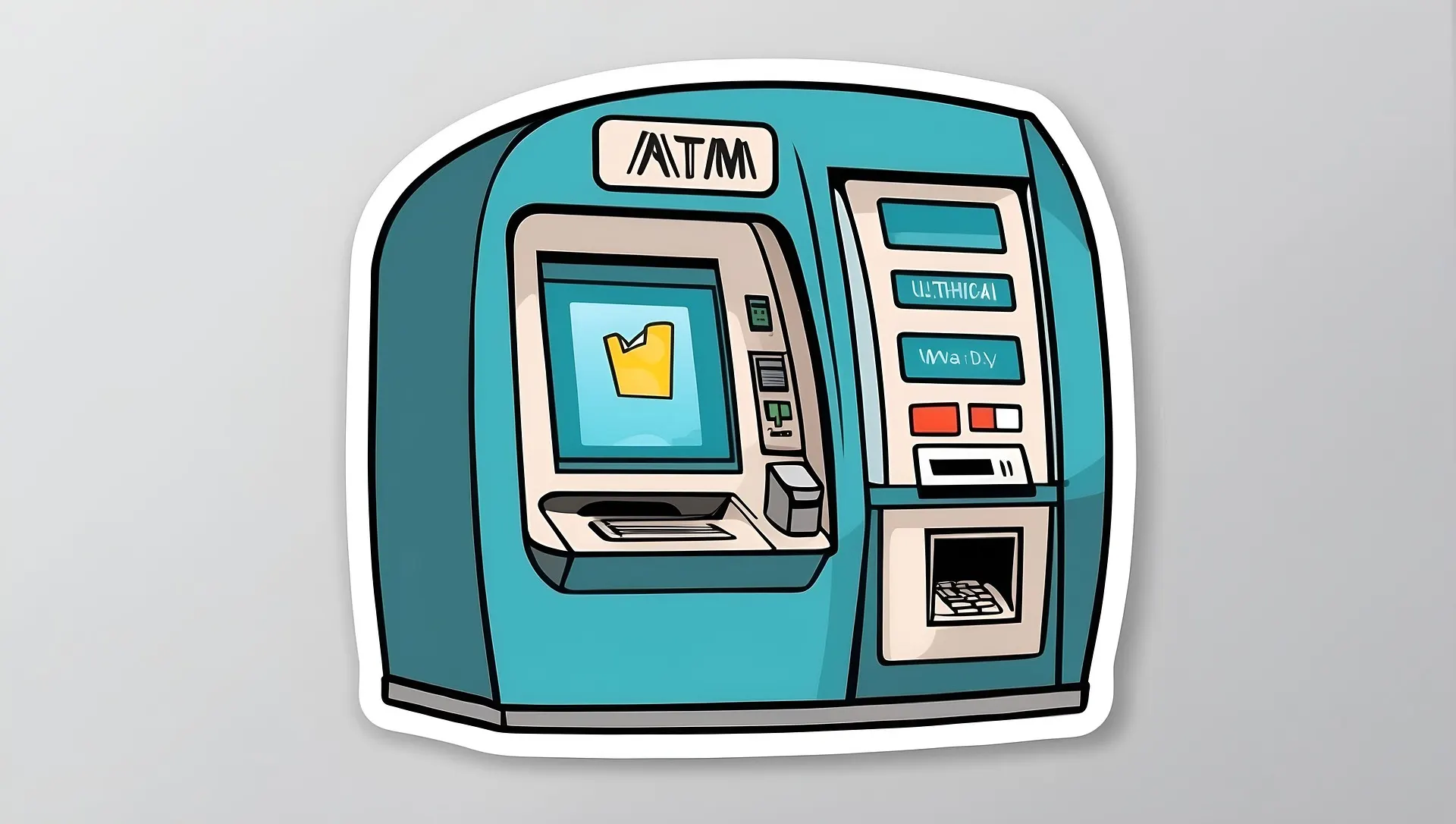
Phone scams that send victims to an ATM are a long-standing pattern in Japan, usually framed as a refund or an urgent procedure. Crypto has added new endings: transfers into an exchange account set up for the victim, or cash turned into crypto and sent onward.
Japan has very few crypto ATMs; the ones we could verify are in Akihabara in Tokyo and Namba in Osaka, and our crypto ATM guide lists them. Abroad, crypto-ATM scams are a serious problem, and the US Commodity Futures Trading Commission warned in 2026 that no government agency or legitimate financial institution will tell you to move money through a crypto ATM.
The rule is simple. Whoever the caller claims to be, police, city hall, immigration, the FSA, your bank or your exchange, if they want cash in an ATM or crypto sent to an address, it is a scam. Hang up and talk to someone you trust.
Beware of "we can recover your crypto" offers
People who have been scammed once get targeted again. The follow-up usually comes from someone posing as a lawyer, an investigator, a blockchain-tracing firm or even a government body, promising to recover your losses for an upfront fee or on condition that you buy something else. In September 2026 the FSA warned about callers who offered to "recover" losses for victims of a real-estate investment scheme and then demanded money; the same playbook is used after crypto losses.
Real help does not cold-call you. Report to the police, call the Consumer Hotline on 188, or find a lawyer through a bar association yourself. Be especially wary of anyone who says they can get an overseas exchange to freeze funds if you pay first.
How can P2P trades and bank accounts drag you into fraud?
Trading crypto with strangers for yen, whether on social media or an offshore P2P board, exposes you to more than being cheated. If the yen a buyer sends you turns out to come from a scam victim, your bank can freeze your account under Japan's Furikome Fraud Relief Act, which also covers accounts that merely received and passed on the money. An account freezeA bank freezing an account suspected of being used for crime. Under Japan's fraud relief law, the balance can be paid out to victims. can stop your salary and bill payments too, even if you knew nothing.
Doing it repeatedly can also make you an unregistered exchange business. In January 2026 Tokyo police arrested a 22-year-old who allegedly bought Litecoin from people found on social media and resold it to others with a 15% markup. In October 2026 police in Miyazaki re-arrested three people over about ¥53.9 million in cash-to-crypto conversions. Our P2P crypto guide explains where the legal line sits.
One risk is specific to foreign residents. Selling, lending or handing over your Japanese bank or exchange account is a crime under the Act on Prevention of Transfer of Criminal Proceeds, and the NPA has noted rising cases of foreign students selling their accounts. Offers like "earn money by lending your account" or "sell your account before you go home" come from people who need a money muleSomeone whose account is used to receive and move stolen money, knowingly or not. In Japan, handing your account to others is itself a crime.. Close accounts properly when you leave; our guide to leaving Japan with crypto covers how. Also note that several Japanese banks, including Bank of Yokohama, Hokkaido Bank and 77 Bank, block transfers to exchanges when the sender's name does not match the account holder.
Pump groups, "pre-listing tips" and insider trading
Groups that promise "this coin lists on a Japanese exchange next week" or "we all buy at once and it moons" are running a pump and dumpHyping a small coin to drive its price up, then selling into the rally. Late buyers are left holding the loss., and the last people in pay for the organisers' exit. Market manipulation and spreading false rumours about crypto are already banned under the Financial Instruments and Exchange Act.
Once the FIEA's crypto provisions take effect, expected by around July 2027, trading on undisclosed information such as an upcoming listing becomes insider tradingTrading on material non-public information, such as an exchange's plan to list a token. Soon a crime for crypto in Japan., punishable by up to 5 years in prison or a ¥5 million fine, and people who pass or receive the tip are covered too. Paid promotion of tokens will also have to be disclosed. A paid "guaranteed listing signal" service is either a scam or a crime.
How to check a platform before you send money
Run through these steps before moving a single yen. They take five minutes and stop most scams cold.
Search the FSA register
Open the FSA register of crypto-asset exchange service providers (PDF, Japanese) and look for the company's legal name and registration number. Brand names and company names often differ, so compare with the site's company page.
Check the FSA warning list
The FSA publishes the names of unregistered crypto operators it has warned. If the name is there, stop.
Reach the app from the official website
Never install from a link in a chat. Go to the exchange's official site and follow its links to the App Store, Google Play or login page.
Ask who owns the receiving account
A real exchange never asks you to pay into a personal bank account or someone else's wallet. A personal name on the payee line ends the conversation.
Tell someone
Describing the offer to a friend, colleague or one of the hotlines below is often enough to break the spell, especially if you have been told to keep it secret.
If you are new to crypto in Japan, our guide to crypto for foreigners explains how to open a legitimate account with a residence card. Turn on two-factor authenticationLogging in with something besides your password, such as a code from an authenticator app, so a stolen password alone is not enough. everywhere.
Where to report a crypto scam in Japan
You can call as soon as something feels off; you do not need to have lost money. If you have already paid, act fast, because the money moves quickly. Contact the bank you transferred from and the exchange you sent crypto from and ask them to freeze or flag the transaction. If the receiving bank account is frozen, victims may receive a payout from the remaining balance under the Furikome Fraud Relief Act.
| Situation | Who to contact | What to know |
|---|---|---|
| Emergency, or money is being handed over right now | 110 | Japan’s police emergency number. Use it if someone is on the way to collect cash or you are being pressured in real time. |
| Non-urgent police consultation | #9110, or your local police station | The National Police Agency’s number for consultations that are not emergencies. File a damage report at the station. |
| Not sure who to ask | Consumer Hotline 188 | Routes you to your local consumer affairs centre. Consultation is free; call charges apply. |
| Report to or ask the FSA | FSA Counselling Office 0570-016811 | From IP phones: 03-5251-6811. Weekdays 10:00–17:00. The phone menu has an option for crypto. |
| Unsure whether an investment pitch is a scam | FSA investment fraud line 0570-050588 | Weekdays 10:00–17:00. You can call before you have paid anything. |
| Dispute with a registered exchange | JVCEA | Handles complaints about its member exchanges only, not unregistered platforms. |
These lines operate in Japanese, and we could not confirm English support, so write down the key facts before you call or ask a Japanese-speaking friend to help. Have ready the scammer's account names and URLs, screenshots of chats, the dates and amounts of every payment, the bank account numbers or wallet addresses you paid, and your exchange's transaction history, including the transaction ID (TxID) for any crypto you sent. For questions about how losses affect your tax return, start with our Japan crypto tax guide and then ask a tax office or zeirishi.
Crypto scams in Japan: FAQ
What is the most common crypto scam in Japan?
Social-media investment fraud. Japan’s National Police Agency counted 9,523 cases and ¥128.8 billion in losses in 2025. Most start with an ad or a direct message on YouTube, Instagram, LINE or Facebook and end with a fake trading app that will not let you withdraw.
How do I check if a crypto exchange is legit in Japan?
Search the FSA’s register of crypto-asset exchange service providers for the company’s legal name and registration number. Only registered firms may serve Japan residents. Also check the FSA’s list of unregistered operators it has warned, and open apps only from the exchange’s official website.
They say I must pay tax before I can withdraw. Is that normal?
No. Japan’s FSA reports many cases where victims were told to pay a deposit or tax to release their funds. Paying never unlocks the money. Stop paying, cut contact, and call the police on #9110 or the Consumer Hotline on 188.
Can someone recover my stolen crypto for a fee?
Be very careful. So-called recovery services often target people who were already scammed and ask for upfront fees. Japan’s FSA has warned about recovery-themed scams. Report to the police and use official channels or a lawyer you find yourself.
Is it illegal to sell my Japanese bank account when I leave Japan?
Yes. Selling, lending or handing over a bank or exchange account is a crime under the Act on Prevention of Transfer of Criminal Proceeds. Scam groups recruit people for exactly this. Close your accounts properly before you leave.
Do Japan’s scam hotlines speak English?
We could not confirm English-language support on the hotlines listed on this page, so assume they operate in Japanese. Prepare your details in writing, and ask a Japanese-speaking friend or colleague to help if needed. In an emergency, call 110.
Sources
- National Police Agency: 2025 phone-scam and social-media investment/romance fraud statistics, final figures (Japanese)
- FSA: Financial Services Users Counselling Office (Japanese)
- FSA: Crypto-asset consultation cases and advice (Japanese)
- FSA: Investment fraud consultation line (Japanese)
- FSA: Beware of fraud by people posing as FSA staff (Japanese)
- FSA: Recovery-themed fraud warning, September 2026 (Japanese)
- Consumer Affairs Agency: Consumer Hotline 188 (Japanese)
- CFTC: Pause Before You Pay advisory (crypto ATMs)
Keep reading
Is crypto legal in Japan?
FSA, JVCEA, the Bank of Japan and the new law
Read more →
FSA-registered exchanges list
Every licensed operator with registration number and what it offers
Read more →
Crypto for foreigners in Japan
Visas, residence cards, US persons and tourists
Read more →
P2P crypto in Japan
Legality, frozen-account risk and what is left
Read more →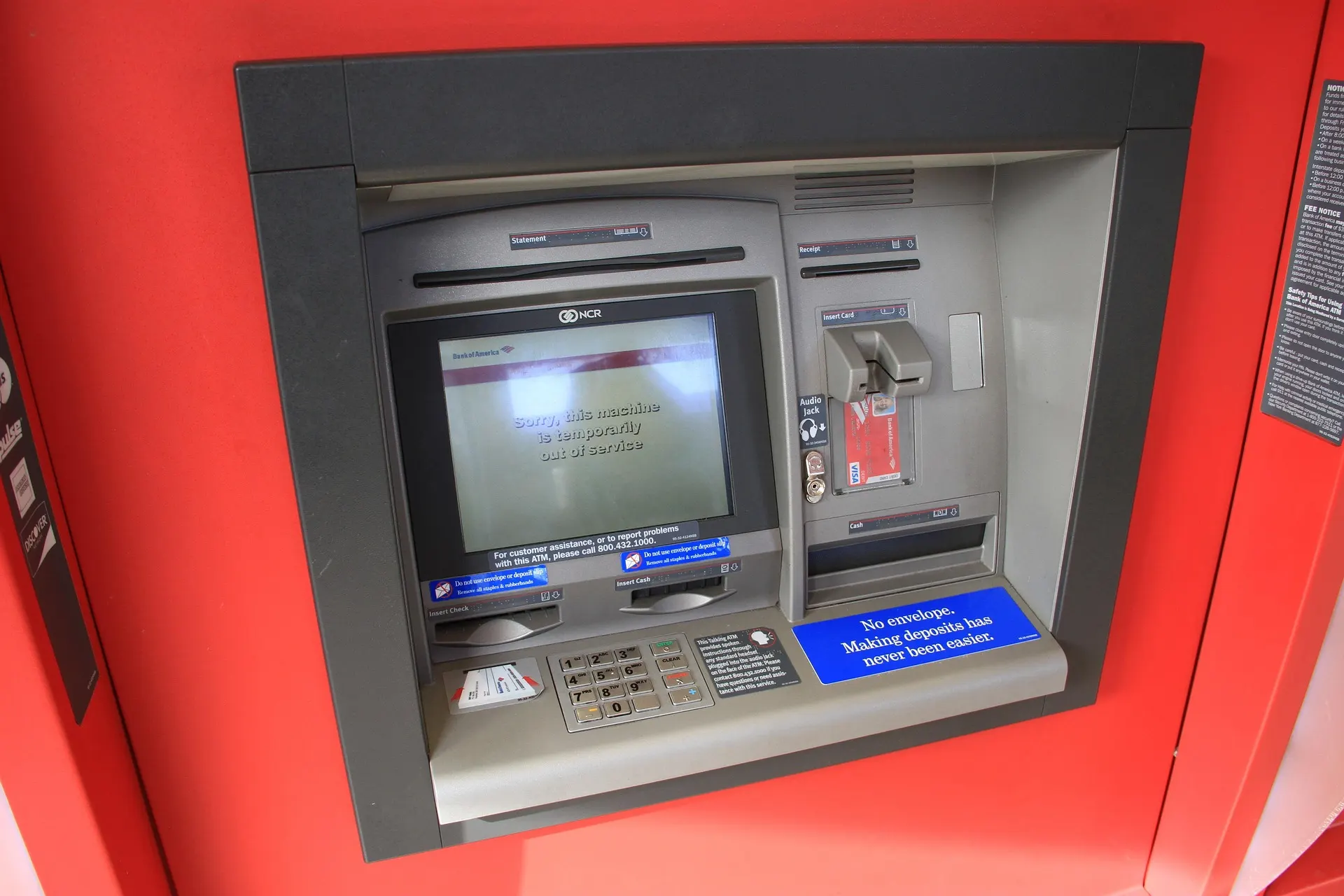
Crypto ATMs in Japan
Where the real machines are and how they work
Read more →
Crypto wallets in Japan
Choosing a wallet your exchange will actually send to
Read more →