地域別 · By city
Crypto in Japan by city: what exists where, and what to do if you live elsewhere
Almost everything physical about crypto in Japan, from exchange head offices to ATMs to cafés that take bitcoin, is in Tokyo or Osaka. But where you live still shapes how you deposit yen, which local bank rules apply and which tax bureau oversees you. Pick your city on the map.
Licensed exchanges are headquartered only in Tokyo (25) and Osaka Prefecture (2), and crypto ATMs exist only in those two cities. Everywhere else, open an account with a registered exchange on your phone and fund it from a net bank that supports instant deposits. Taxes go to the tax office for your address.
- HQ locations from the FSA register
- ATM status from operators' own pages
- Tax bureau addresses from the NTA
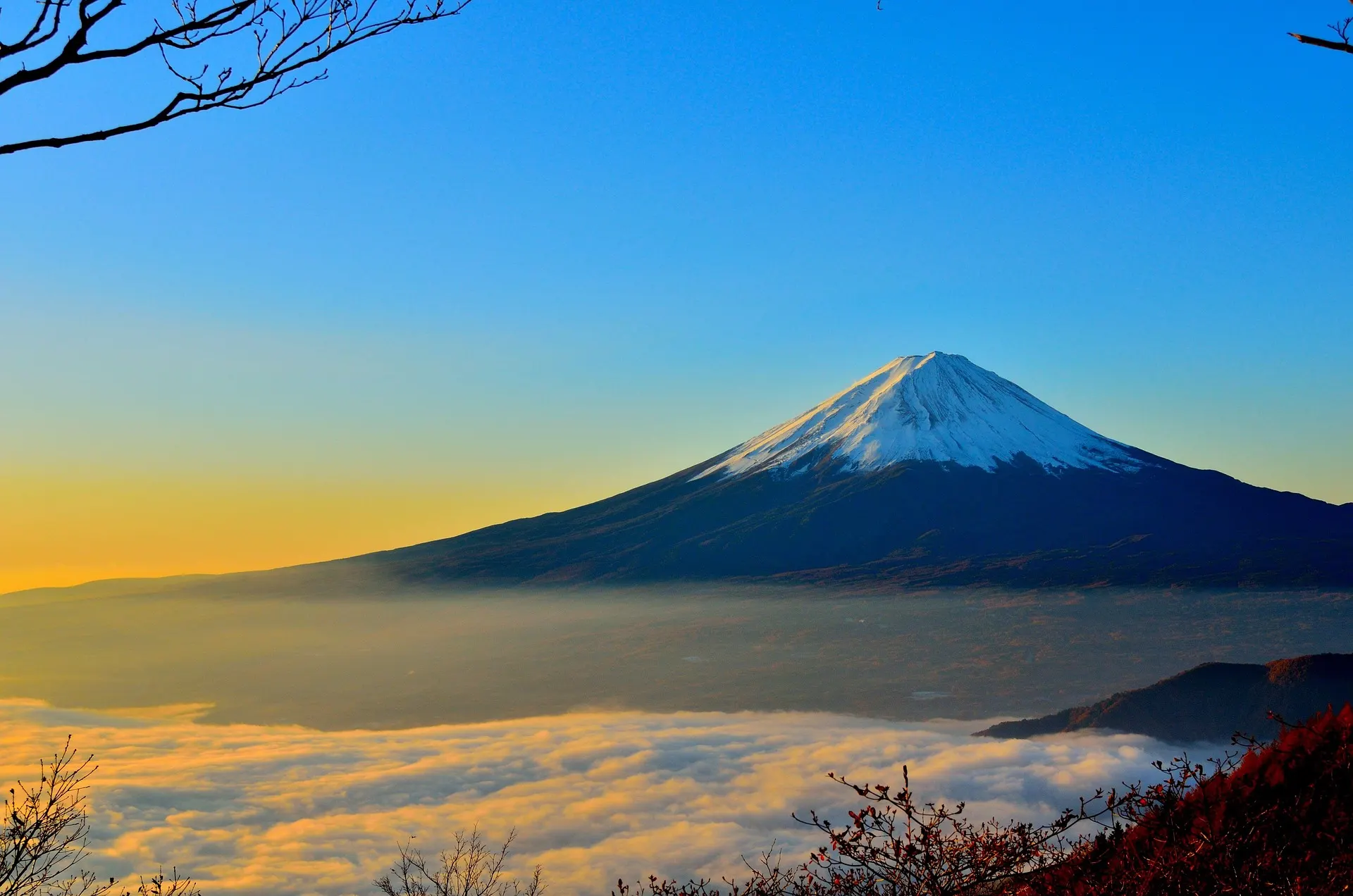
01Map
Choose your city
Red prefectures have their own guide; lighter ones are covered by a neighbouring guide.
Every city guide on this site is built from facts we could verify for that place. We don't swap city names into a template. Tokyo and Osaka get long pages because there is a lot to say. Places with almost no crypto infrastructure get pages that say so plainly, then focus on what does matter locally: which banks work with which exchanges, where the tax and finance bureaus are, and any genuine local projects or events.
If you are new to Japan, the most useful thing to know is that the buying process is identical nationwide. What changes by region is the plumbing around it: deposits, cash options and who you call with a tax question. The rest of this page shows that plumbing in one place.
02Distribution
Where Japan's crypto infrastructure actually is
Counts from the FSA register, ATM operators' own pages and BTC Map, by prefecture.
Only firms registered with Japan's Financial Services Agency may sell crypto to residents. These crypto-asset exchange service providersCompanies registered with the FSA, via a regional finance bureau, to buy, sell and hold crypto for Japan residents. number 27 as of 30 September 2026. Twenty-five are registered with the Kanto bureau and based in Tokyo's 23 wards; two are registered with the Kinki bureau and based in Osaka Prefecture (Zaif in Kishiwada, Gaia in Osaka city). Not a single exchange is registered with the Hokkaido, Tohoku, Tokai, Hokuriku, Chugoku, Shikoku, Kyushu, Fukuoka or Okinawa finance offices.
| Area | Licensed exchange HQs | Crypto ATMs | BTC Map spots | Guide |
|---|---|---|---|---|
| Tokyo | 25 | 1 in Akihabara (Tokyo Tower unit suspended) | ~56 | Tokyo |
| Osaka Prefecture | 2 (Zaif, Gaia) | 2 in Namba and Shinmachi (Tennoji unconfirmed) | ~5 | Osaka |
| Kyoto Prefecture | None | None | 2 | Kyoto |
| Fukuoka Prefecture | None | None (planned only) | 1 | Fukuoka |
| Kanagawa | None | None | 5 (2 in Yokohama are food-truck stops) | Yokohama |
| Hokkaido, Aichi, Miyagi | None | None (Nagoya planned only) | 0 | Hokkaido · Chubu · Tohoku |
| Okinawa | None | None | 1 (Yomitan) | Okinawa |
Cash-to-crypto machines exist only in Tokyo and Osaka. The ones listed as working are Gaia's three: Akihabara, Namba and Shinmachi. They charge 10% each way and cap transactions at ¥100,000; visitors can only sell, with an IC-chip passport. COINHUB has announced a national network, but its Tennoji machine in Osaka is unconfirmed and its Shinjuku, Nagoya and Fukuoka sites are plans. Details are in crypto ATMs in Japan.
Spending follows the same pattern. BTC Map lists about 80 places nationwide, but around 40 of those are rotating food-truck stops and roughly 56 are in Tokyo. Hokkaido, Miyagi, Aichi and Hiroshima have none. The national list, and the tax catch when you pay with bitcoin, are in where to spend crypto in Japan.
03Living elsewhere
Living outside Tokyo or Osaka
The good news: your address barely matters. Registered exchanges accept residents nationwide, and opening an account, passing ID checks, depositing and trading all happen in an app. Foreign residents need a residence card and a registered address; our guide for foreigners in Japan covers visa types and US-person issues, and How to buy Bitcoin in Japan covers the steps.
The catch is your bank. Exchanges' instant-depositInstant deposit: you start the transfer in your bank's app and the yen reaches your exchange account within minutes. lists favour net banks. GMO Coin's, for example, covers Docomo SMTB Net Bank, PayPay Bank and Japan Post Bank, but none of Bank of Yokohama, Hokkaido Bank, Bank of Kyoto, Hiroshima Bank, 77 Bank, Ryukyu Bank, Fukuoka Bank or Minna Bank. Customers of regional banks fall back on slower ordinary transfers. A single net-bank account solves it; compare options in ways to pay for crypto.
Name-matching rules differ by bank
To fight fraud, banks now block transfers to exchanges when the sender name differs from the account holder. Published examples:
- Bank of Yokohama: covers exchanges and funds-transfer providers
- Hokkaido Bank: from February 2025, extended to funds-transfer providers on 18 May 2026
- 77 Bank (Sendai): extended to funds-transfer providers from 21 September 2026
- Ryukyu Bank (Okinawa): notice dated 30 October 2025
- Japan Post Bank: January 2026 notice that accounts may be restricted after suspicious transfers to exchanges
Adding your exchange customer number before or after your name is allowed. Never send from a family member's account.
04Other areas
Kobe and Hiroshima, briefly
Too few verifiable facts for full guides, so here they are in short.
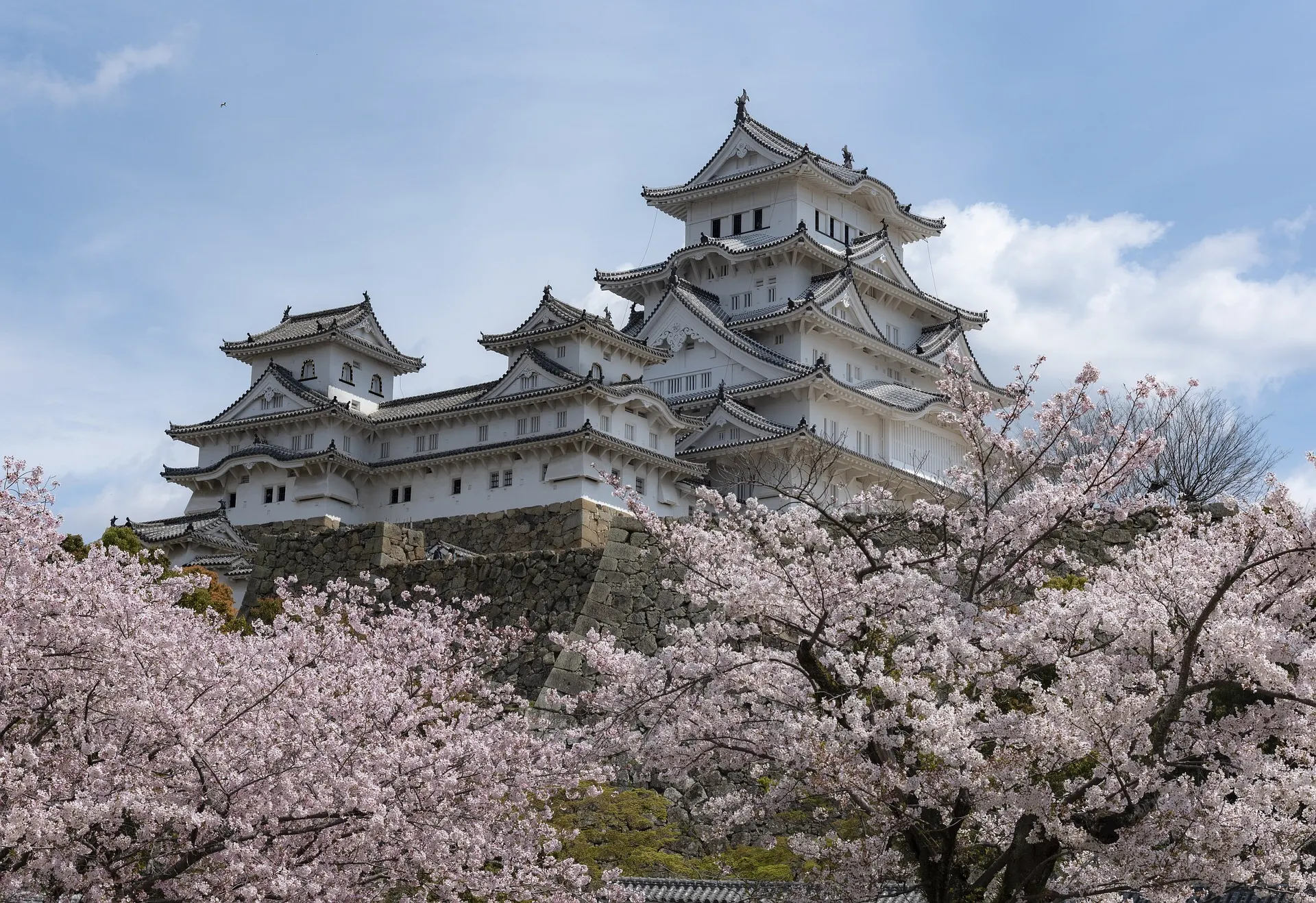
Kobe and Hyogo
No exchange office and no crypto ATM. BTC Map lists one venue: Aso Cafe in Suma-ku, Kobe, which takes LightningA layer on top of bitcoin for fast, low-cost small payments, usually by scanning a QR code. (checked July 2026; confirm before visiting). Kobe City has backed startups since 2016 and, with Osaka and Kyoto, was named a global startup hub city in 2020, but we found no Web3-specific city or prefectural programme. Hyogo had 155,019 foreign residents at the end of 2025. It falls under the Osaka tax bureau and Kinki finance bureau, and the nearest community is the Osaka-based Kansai Bitcoiners meetup. See the Kansai section of our Osaka guide.
Hiroshima
No exchange office, ATM or BTC Map listing. The interesting part is history: the prefecture's "Hiroshima Sandbox" technology programme (2018–2020) ran a blockchain "cross-tech challenge", including a pilot that used blockchain to match very short work assignments for people with developmental disabilities to local labour needs. Its current status is unverified. More recently, on 21 March 2025 the local industry group HiBiS held a seminar on using DAOs for regional revitalisation at Innovation Hub Hiroshima Camps. Hiroshima Bank was reported to restrict mismatched-name transfers to exchanges from February 2025. The Hiroshima Regional Taxation Bureau is at 6-30 Kamihatchobori, Naka-ku; the prefecture had 72,628 foreign residents at the end of 2025.
05Tax offices
Japan's regional taxation bureaus
You file with the tax office for your address; these bureaus supervise them and publish regional guidance.
| Bureau | Address | Phone | Prefectures covered |
|---|---|---|---|
| Sapporo | Sapporo Daini Godo Chosha, Odori-nishi 10-chome, Chuo-ku, Sapporo | 011-231-5011 | Hokkaido |
| Sendai | Sendai Godo Chosha A, 3-3-1 Honcho, Aoba-ku, Sendai | 022-263-1111 | Aomori, Iwate, Miyagi, Akita, Yamagata, Fukushima |
| Kanto-Shinetsu | Saitama Shintoshin Godo Chosha 1, 1-1 Shintoshin, Chuo-ku, Saitama | 048-600-3111 | Ibaraki, Tochigi, Gunma, Saitama, Niigata, Nagano |
| Tokyo | 5-3-1 Tsukiji, Chuo-ku, Tokyo | 03-3542-2111 | Chiba, Tokyo, Kanagawa, Yamanashi |
| Kanazawa | Kanazawa Hirosaka Godo Chosha, 2-2-60 Hirosaka, Kanazawa | 076-231-2131 | Toyama, Ishikawa, Fukui |
| Nagoya | 3-3-2 Sannomaru, Naka-ku, Nagoya | 052-951-3511 | Gifu, Shizuoka, Aichi, Mie |
| Osaka | Osaka Godo Chosha 3, 1-5-63 Otemae, Chuo-ku, Osaka | 06-6941-5331 | Shiga, Kyoto, Osaka, Hyogo, Nara, Wakayama |
| Hiroshima | Hiroshima Godo Chosha 1, 6-30 Kamihatchobori, Naka-ku, Hiroshima | 082-221-9211 | Tottori, Shimane, Okayama, Hiroshima, Yamaguchi |
| Takamatsu | 2-10 Tenjinmae, Takamatsu | 087-831-3111 | Tokushima, Kagawa, Ehime, Kochi |
| Fukuoka | Fukuoka Godo Chosha, 2-11-1 Hakata-ekimae Higashi, Hakata-ku, Fukuoka | 092-411-0031 | Fukuoka, Saga, Nagasaki |
| Kumamoto | Kumamoto Chiho Godo Chosha B, 2-10-1 Kasuga, Nishi-ku, Kumamoto | 096-354-6171 | Kumamoto, Oita, Miyazaki, Kagoshima |
| Okinawa (office) | 9 Asahimachi, Naha | 098-867-3601 | Okinawa |
Crypto gains are generally miscellaneous incomeZatsu shotoku (雑所得): the catch-all income category. Crypto gains are added to your salary and taxed progressively., taxed at up to 55% including local tax, and most people file online through e-Tax. Find your own office by postcode with the National Tax Agency office finder. The rules are explained in our Japan crypto tax guide; if you are arriving or leaving mid-year, also read moving to or leaving Japan with crypto.
06City guides
All nine city guides
Exchanges, ATMs, spending spots, banks and tax offices for each area, from verified sources only.
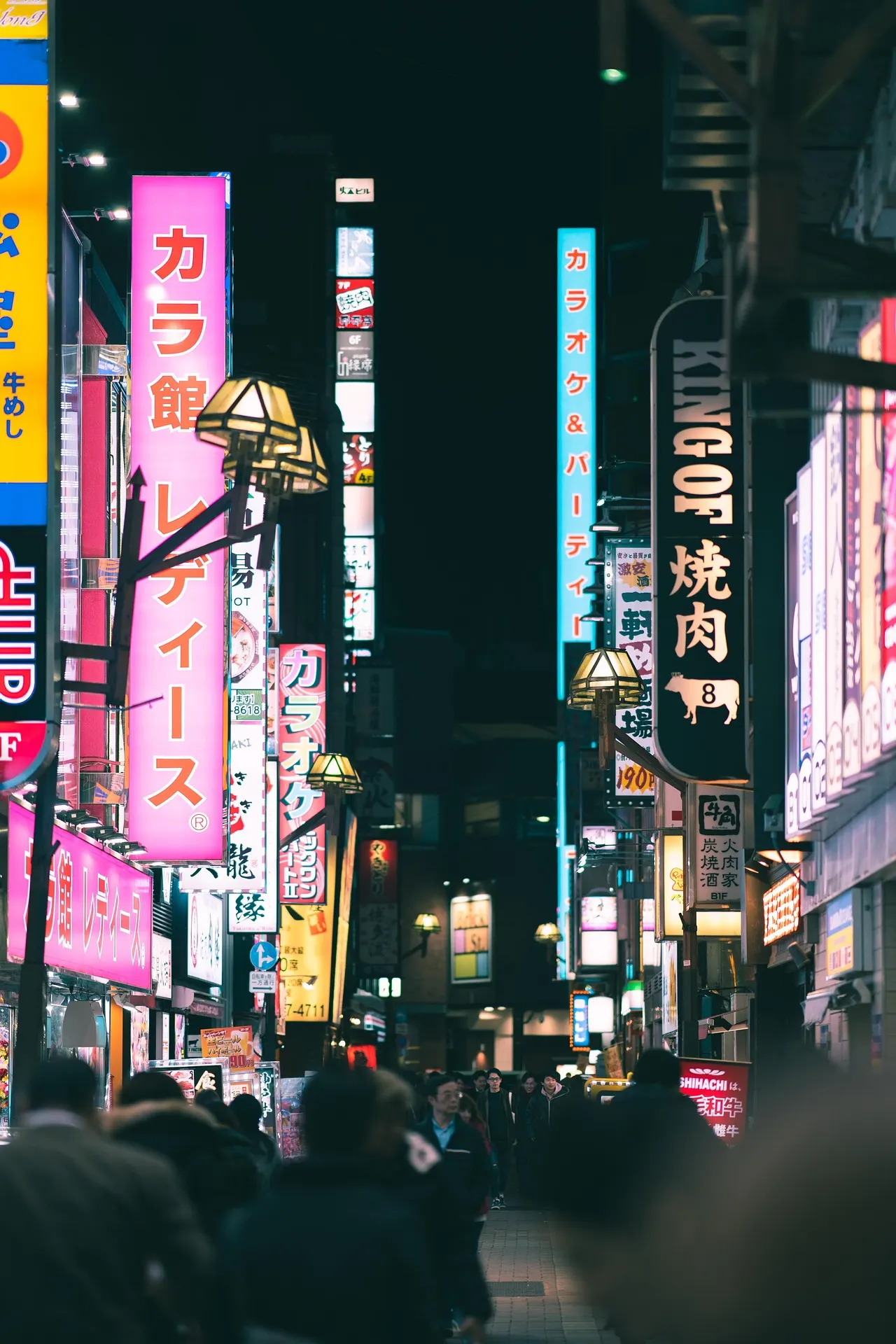
Crypto in Tokyo
Exchange HQs, the Akihabara ATM, BTC-friendly venues
Read more →
Crypto in Osaka
The Namba ATM and Kansai-based operators
Read more →
Crypto in Kyoto
Home of IVS Crypto, practical tips for visitors
Read more →
Crypto in Fukuoka
Japan's Web3-friendly startup city
Read more →
Crypto in Sapporo & Hokkaido
Mining plans, data centres and local buying routes
Read more →
Crypto in Yokohama & Kanagawa
Local bank rules and accounts for US residents
Read more →
Crypto in Nagoya & Chubu
Few physical options, practical online routes
Read more →
Crypto in Sendai & Tohoku
Sendai blockchain pilots and local deposit tips
Read more →
Crypto in Okinawa
FC Ryukyu Coin, tourism Web3 and US-base residents
Read more →Crypto in Japan by city: common questions
Which Japanese city is best for crypto?
For physical infrastructure, Tokyo: 25 of the 27 licensed exchanges, the only crypto ATM listed as working there, roughly 56 bitcoin-accepting spots and most conferences. Osaka is second with two local exchanges and two ATMs. For government interest in Web3, Fukuoka and Kyoto stand out.
Can I buy crypto in Japan if I don't live in Tokyo or Osaka?
Yes. Registered exchanges serve residents nationwide and the whole process runs in an app. The only regional differences are the lack of cash options outside Tokyo and Osaka, and that many regional banks don't support instant deposits.
Where are the crypto ATMs in Japan?
Only in Tokyo and Osaka. Gaia lists working machines in Akihabara, Namba and Shinmachi, with a 10% fee each way and a ¥100,000 cap per transaction. COINHUB's announced Tennoji machine is unconfirmed, and its Shinjuku, Nagoya and Fukuoka sites are plans only.
Which tax office handles my crypto return?
The tax office (zeimusho) for your home address, not the regional bureau. Search by postcode on the National Tax Agency website, or file online through e-Tax. Japan has 11 regional taxation bureaus plus the Okinawa Regional Taxation Office.
Do regional banks block transfers to crypto exchanges?
They block transfers where the sender name differs from the account holder. Bank of Yokohama, Hokkaido Bank, 77 Bank and Ryukyu Bank have all published such rules. Sending from an account in your own name is normally fine.
Sources
- FSA: register of crypto-asset exchange service providers (as of 30 Sep 2026)
- Gaia: BTM locations
- BTC Map
- National Tax Agency: regional taxation bureau addresses (Japanese)
- GMO Coin: deposits and withdrawals (Japanese)
- Hiroshima Prefecture: Hiroshima Sandbox brochure, 2020 (Japanese, PDF)
- HiBiS: DAO and regional revitalisation seminar (connpass, Japanese)
- Immigration Services Agency: foreign residents by prefecture, end-2025 (PDF)