Tokyo crypto at a glance
Only companies registered with Japan's Financial Services Agency (FSA) may sell crypto to people who live here. These are called crypto-asset exchange service providers (暗号資産交換業者)Companies registered with the FSA (via a regional finance bureau) to buy, sell and hold crypto for Japan residents. Check the number on the FSA list., and the register is short: 27 firms as of 30 September 2026. Twenty-five of them are registered with the Kanto Local Finance Bureau and every one of those has its head office in Tokyo's 23 wards. The other two are in Osaka Prefecture. No licensed exchange is based in Sapporo, Nagoya, Fukuoka or Okinawa.
That concentration matters less than you might think. Opening an account, passing ID checks, depositing yen, trading and withdrawing all happen in an app, so living next door to an exchange gives you nothing extra. What Tokyo does give you is the rest of the ecosystem: the only working crypto ATM we could confirm in the city, the largest cluster of bitcoin-accepting venues in Japan, a bitcoin-only community space, and a conference calendar the rest of the country can only envy.
This guide is split by who you are. Residents get the account-opening route and the tax offices; visitors get the realistic options without a Japanese address. Everyone gets the map of where things actually are. Venue and ATM details come from operators' own pages and from BTC Map, and they change often, so check before you travel across town.
How to buy crypto in Tokyo if you live here
If you hold a residence card (在留カード, zairyu card) and have a registered address, you can use the same domestic exchanges as Japanese nationals. The process is identical whether you live in Minato or Machida.
Pick an FSA-registered exchange
Every legitimate one shows a number such as "Kanto Local Finance Bureau No. 00003" on its site. Match it against the official FSA register. Our exchange comparison lines up fees and deposit options.
Verify your identity on your phone
This is eKYCOnline identity check (electronic Know Your Customer): you scan the IC chip of your ID card and take a selfie in the exchange app.. A residence card or My Number Card works with most exchanges; IC-chip readers finish in minutes.
Deposit yen from an account in your own name
Banks now block transfers to exchanges when the sender name differs from the account holder. Make sure your bank name (often in katakana) matches your exchange profile.
Buy on the dealer desk or the order book
The app's dealer deskDealer desk (販売所, hanbaijo): the exchange sells to you directly. Easy, but the gap between buy and sell prices (the spread) is your real cost. is easiest for small amounts; the order book is cheaper for larger ones. Step-by-step screens are in How to buy Bitcoin in Japan.
Two expat-specific wrinkles. First, since 1 January 2026 Japanese exchanges ask every new customer for a tax-residency self-certification under the OECD's crypto reporting framework (CARF), which can include your foreign tax identification number. That question is normal, not a red flag. Second, if you are a US person, read each exchange's terms before applying; our crypto guide for foreigners in Japan covers visa types, residence cards and US-citizen issues in detail. For funding, net banks are the path of least resistance: GMO Coin, for example, lists instant deposits from Docomo SMTB Net Bank, PayPay Bank and Japan Post Bank, and Pay-easy from MUFG, SMBC, Mizuho and Resona. The full matrix is in ways to pay for crypto.
Buying crypto in Tokyo as a visitor
Here is the honest answer: a tourist cannot open an account at a Japanese exchange. Domestic KYC requires a Japanese address and, for foreigners, a residence card, which short-term visitors do not get. No amount of paperwork at a Tokyo office changes that.
What visitors realistically do is one of three things. Most simply keep using the exchange or app they already have at home, as long as that service allows use while travelling. Others use an international platform that accepts foreign-issued cards. CEX.IO is one example: it holds a US FinCEN MSB registration, money-transmitter licences in many US states and a UK FCA cryptoasset registration, and supports Visa, Mastercard, Apple Pay and Google Pay. It is not registered with Japan's FSA, does not support yen, and Japan is on its list of unsupported countries, so it is an option for visitors with foreign cards, not for people who live here.
The third option is the Gaia machine in Akihabara, described below. Its own documents show that unregistered guests, tourists included, can only sell crypto for yen there, after scanning an IC-chip passport, verifying a phone number by SMS and passing a face check; guest limits on count and amount are not published. The exchange fee is 10% (including tax) in both directions, with a ¥100,000 cap per transaction. Buying crypto at the machine requires a registered account, a user card that Gaia mails to your home address and a pre-registered self-custody wallet, which in practice puts the buy side out of reach for most visitors. What we would avoid: meeting strangers to swap cash for crypto. Unregistered dealing can break Japanese law, and fraud is common; see our P2P guide before you consider it.
Where Japan's exchanges are headquartered in Tokyo
For the curious, and for anyone checking that an exchange is real, here is how the 25 Tokyo head offices spread across the city. The addresses are the ones printed in the FSA register.
| Ward | Firms | Examples (registration no.) | Registered addresses |
|---|---|---|---|
| Minato | 9 | bitFlyer (00003), SBI VC Trade (00011), Mercoin (00030), OKJ (00020), Rakuten Wallet (00015), BitTrade (00007) | Akasaka 9-7-1 (Tokyo Midtown); Roppongi 1-6-1 (Izumi Garden Tower) |
| Shibuya | 4 | Coincheck (00014), GMO Coin (00006), Mercury / CoinTrade (00025), Crypto Garage (00029) | Sakuragaokacho 1-4 (Shibuya Sakura Stage); Dogenzaka 1-2-3 |
| Chiyoda | 5 | Binance Japan (00031), HashKey Japan (00027), Coinbase KK (00028, no coins listed) | Nibancho 9-3; Marunouchi 2-3-2 |
| Chuo | 5 | bitbank (00004), BTCBOX (00008), OSL Japan (00023), COINHUB (00013) | Yaesu 2-2-1 (Tokyo Midtown Yaesu); Nihonbashi Kayabacho |
| Taito / Koto | 1 each | FINX JCrypto (00012), Laser Digital Japan (00032, registered Aug 2026) | Taito 1-24-9; Toyosu 2-2-1 |
Minato is the closest thing Tokyo has to an "exchange row". bitFlyer and its group custodian Custodiem (the former FTX Japan) share the Tokyo Midtown address in Akasaka, SBI VC Trade sits in Izumi Garden Tower in Roppongi, and Mercari's Mercoin is a few blocks away in Roppongi 6-chome. HashPort, the company that took over the Expo 2025 digital wallet, is in Minami-Azabu. Shibuya is home to the two apps most residents meet first, Coincheck (in the Shibuya Sakura Stage tower by the station) and GMO Coin (Dogenzaka). Chiyoda and Chuo hold the institutional names: HashKey Japan and Coinbase KK in Marunouchi, Binance Japan in Nibancho, bitbank in Tokyo Midtown Yaesu, and BTCBOX and OSL Japan in Kayabacho, Tokyo's old securities district. The FSA itself is in Kasumigaseki.
Use addresses to verify, not to visit
Exchanges take account applications and trades through their apps and websites; a registered head office is not a walk-in counter. The address is useful for one thing: checking that the company name, address and number on a website match the FSA register. That is the fastest way to spot a fake exchange. All 27 firms are in our FSA-registered exchanges list.
The Akihabara bitcoin ATM (and the one at Tokyo Tower)
The machines you can find in Tokyo belong to Gaia (株式会社ガイア), an Osaka-based exchange registered with the Kinki Local Finance Bureau (No. 00004). Gaia calls them BTMs, and its location page lists two in Tokyo.
- Akihabara (listed as working)
- Inside Gaia's Tokyo office, Akihabara Southern Bldg 5F, 3-3-3 Iwamotocho, Chiyoda. Weekdays 11:00–17:00; closed weekends and public holidays.
- Tokyo Tower (suspended)
- Inside Tokyo Tower Foot Town, 4-2-8 Shibakoen, Minato. Marked "temporarily suspended" on the operator's page.
Treat the Akihabara machine as a residents' tool with a limited visitor mode. To buy, you register online for free, wait for a user card to arrive by post, and pre-register a self-custody walletA wallet where you hold the private keys yourself, such as MetaMask or Trust Wallet, rather than an exchange account. address in your account; exchange deposit addresses are not accepted. Selling without registration is allowed as a guest. According to Gaia's fee notice and English guest disclosure, the machine charges a 10% exchange fee (tax included) for both buying and selling, each transaction is capped at ¥100,000, and purchases take banknotes only, in ¥1,000 steps. You can buy BTC or ETH and sell BTC, ETH or ADA. At 10%, it is an expensive way in compared with an exchange app; think of it as a cash convenience, not a default. COINHUB, a Tokyo-registered exchange (No. 00013), has announced a nationwide ATM network with Shinjuku among its first planned sites, but we found no installed COINHUB machine in Tokyo. For the national picture, including Osaka's machines, see crypto ATMs in Japan.
The classic Tokyo ATM scam
If someone you met online, or a caller claiming to be police or a bank, tells you to buy crypto at an ATM and send it to an address, stop. No legitimate institution in Japan asks for payment that way, and crypto sent is almost never recovered. Our crypto scams guide explains the common scripts and where to report them.
Where you can pay with bitcoin in Tokyo
BTC Map, a community-run directory, is the most complete source. On 22 October 2026 it showed about 80 active places across Japan, roughly 56 of them in Tokyo's 23 wards and Tama. Around 40 of the national entries are rotating stops for two food trucks, so the number of fixed venues is smaller than it looks. Most Tokyo venues take LightningA payment layer on top of bitcoin for small, near-instant payments. You scan a QR code with a Lightning-capable wallet., so a Lightning-capable wallet on your phone matters more than an exchange account.
| Venue | Area and type | Accepts | Last BTC Map check |
|---|---|---|---|
| The Pink Cow | Akasaka, Minato · Mexican restaurant | Lightning | 25 Jun 2026 |
| Two Dogs Taproom | Roppongi, Minato · pub | Lightning, on-chain | 25 Aug 2026 |
| Yakiniku Komiyama | Nishi-Azabu, Minato · yakiniku | Lightning, on-chain | 16 Jul 2026 |
| Harry's Sandwich Company | Jingumae, Shibuya · sandwiches | Lightning, on-chain | 3 Aug 2026 |
| Gallery Ueda | Ginza, Chuo · art gallery | Lightning, on-chain | 27 Aug 2026 |
| Bar POP-UP | Uchikanda, Chiyoda · bar, Thursdays only | Lightning | 3 Apr 2026 |
| Hyphen | Jiyugaoka, Meguro · bar | Lightning | 15 Oct 2026 |
A few listings stand out for expats. apts.jp, an estate agent in Akasaka, is listed as accepting on-chain bitcoin for brokerage fees on rentals and purchases (checked September 2026). In Ebisu-nishi, the acupuncture clinic Mepicabari takes Lightning, including tap-to-pay cards; Bidouillez Hiroo, a clothing shop, takes both Lightning and on-chain. Out in Fuchu, the butcher Minceman at the wholesale market takes Lightning. The Cocorotus and Around food trucks accept Lightning at their stops across Minato, Shibuya and Chiyoda.
One caution for residents: in Japan, paying with bitcoin counts as disposing of it. If the coins are worth more than you paid, the gain is taxable miscellaneous income in that year. Note the date and the yen value whenever you pay. The national directory and the tax angle are in where to spend crypto in Japan.
Tokyo Bitcoin Base: the closest thing to a crypto café
People search for a "crypto café in Tokyo" expecting a coffee shop full of traders. That does not exist as far as we could find. What does exist is Tokyo Bitcoin Base (T₿B) at 2-8 Yotsuya Honshiocho in Shinjuku: a bitcoin-only community building spread over basement 1 to the fourth floor, open weekdays 10:00–18:00. According to its website it runs coworking, events, language classes and book clubs, has a rooftop terrace bar, and hosts food trucks on Mondays and Thursdays from 11:00 to 14:00. BTC Map records T₿B itself as accepting Lightning and on-chain payments (checked July 2026).
It is active, too. A BTC Map merchant meetup was held there on 1 April 2026 and a first-anniversary festival on 25 April 2026, and on 14 October 2026 the site announced an online Bitcoin Educators Academy for Japan. If you have just arrived and want to meet people who can show you how to self-custody, set up Lightning or navigate Japanese exchanges, this is the obvious first stop. One older listing to ignore: CryptoBar P2P in Ginza is still on BTC Map but was last confirmed in July 2024.
English-friendly meetups and the conference calendar
For regular English-language contact, Tokyo Citadel runs an English-speaking bitcoin meetup and podcast, and the Bitcoin Tokyo group on Meetup.com (東京ビットコイン会議) has around 2,740 members. Ethereum builders can follow Ethereum Meetup Tokyo, organised by Fracton Ventures and announced on Luma. The big events cluster in the first half of July and late September.
- 24 Feb – 6 Mar 2026Japan Fintech Week Run by the FSA with the Fintech Association of Japan; its centrepiece FIN/SUM took "AI and Blockchain" as its theme.
- 12 Jul 2026JBW Summit SHIBUYA STREAM Hall, part of Japan Blockchain Week.
- 13–14 Jul 2026WebX The Prince Park Tower Tokyo, Shibakoen. The organiser's site now points to August 2027 for the next edition, details to be announced.
- 19–27 Sep 2026ETHTokyo Including ETHGlobal Tokyo at Toranomon Hills Forum, plus venues such as UTokyo's Ito Hall and Tokyo Dome City.
- 27–28 Nov 2026BITCOIN JAPAN 2026 Bellesalle Akihabara. Hosted by ANAP Holdings with Diamond Hands; a business summit on the 27th, then BITCOINER EXPO and a free BITCOIN FESTIVAL on the 28th.
Dates move, so check our crypto events calendar and each organiser's page before booking.
Tax if you live in Tokyo: who handles your return
Crypto gains in Japan are generally miscellaneous incomeZatsu shotoku (雑所得): income that fits no other category. Crypto gains land here and are added to your salary, so the rate rises with total income., added to your salary and taxed at up to 55% including local inhabitant tax. Salaried workers with one employer and no more than ¥200,000 of other income can skip the national return, but still owe a resident-tax declaration to their ward office. A 20% separate rate has been written into law, but it is not expected to start before 2028. The mechanics are in our Japan crypto tax guide.
You file with your local tax office (税務署, zeimusho), not with the bureau, usually through e-Tax. Find it by postcode on the National Tax Agency's office finder. Above it sits the Tokyo Regional Taxation Bureau at 5-3-1 Tsukiji, Chuo (03-3542-2111), which covers Tokyo, Kanagawa, Chiba and Yamanashi. Oddly enough, the Kanto Local Finance Bureau that registers the 25 Tokyo exchanges is not in Tokyo at all but in Saitama Shintoshin. Complaints about an exchange go to the FSA's consumer line (0570-016811). If you arrived mid-year or plan to leave, read moving to or leaving Japan with crypto; crypto is not currently on the list of assets covered by Japan's exit tax.
What the Tokyo Metropolitan Government is (and isn't) doing
There is no city programme that helps individuals buy crypto. Tokyo's support targets businesses, as part of its push to be an international financial centre. On 17 April 2026 the Bureau of Industry and Labor opened a subsidy for companies building use cases for yen-denominated stablecoinsA crypto token designed to hold a steady value against a currency, such as a yen-pegged token.: two-thirds of eligible costs, up to ¥40 million per company, with applications closing on 30 June 2026. A separate programme subsidises part of the cost of issuing digital securities (security tokens); in its FY2024 round it covered half of costs (two-thirds for startups) up to ¥5 million per case, or ¥7.5 million in priority fields. The metropolitan government was also an official supporter of WebX 2025. Background on the yen-stablecoin market is in our JPYC and yen stablecoins guide.
Beyond Tokyo
If you live in Yokohama or elsewhere in Kanagawa, you sit under the same tax bureau and finance bureau as Tokyo, but your local bank may have its own rules; Bank of Yokohama, for instance, restricts transfers to exchanges when the sender name differs from the account holder. Our Yokohama and Kanagawa guide covers it. Click any coloured prefecture below for its city guide.
Map: svg-maps/japan, CC BY 4.0
Crypto in Tokyo: common questions
Is there a bitcoin ATM in Tokyo?
Yes, one that its operator lists as working: Gaia's machine inside its Tokyo office in Iwamotocho, Akihabara, open weekdays 11:00–17:00 (closed weekends and holidays). A second Gaia machine at Tokyo Tower's Foot Town is marked as temporarily suspended. The fee is 10% each way and transactions are capped at ¥100,000. Buying needs a registered account and a pre-registered self-custody wallet; guests can only sell, using an IC-chip passport.
Can a tourist buy crypto in Tokyo?
Not through a Japanese exchange, because they require a Japanese address and residence card. Visitors usually keep using their home exchange or an international platform that accepts foreign cards. Gaia's ATMs let unregistered users sell crypto for yen with a passport, but buying requires full registration.
Can foreigners living in Tokyo open a Japanese crypto account?
Mid- to long-term residents with a residence card and a Japanese address can open accounts with many FSA-registered exchanges. Expect eKYC on your phone, a bank account in your own name and, since January 2026, a tax-residency self-certification that may ask for a foreign tax ID.
Where can I pay with bitcoin in Tokyo?
BTC Map lists about 56 spots in Tokyo, mostly restaurants and bars in Minato and Shibuya such as The Pink Cow (Akasaka) and Two Dogs Taproom (Roppongi), plus Tokyo Bitcoin Base in Yotsuya. Listings are community-maintained, so confirm with the venue before you go.
Is there a crypto café in Tokyo?
We could not find a permanent café that brands itself that way. The closest thing is Tokyo Bitcoin Base in Yotsuya, Shinjuku: a bitcoin-only community space with coworking, events and a rooftop bar, open weekdays 10:00–18:00.
Which tax office handles crypto income if I live in Tokyo?
You file with the tax office (zeimusho) for your home address, usually online via e-Tax. The Tokyo Regional Taxation Bureau in Tsukiji supervises Tokyo, Kanagawa, Chiba and Yamanashi. You can find your local office by postcode on the National Tax Agency website.
Sources
- FSA: register of crypto-asset exchange service providers (as of 30 Sep 2026)
- Gaia: BTM locations
- Gaia: how to use the BTM
- Tokyo Bitcoin Base
- BTC Map
- Tokyo Metropolitan Government: yen stablecoin subsidy (17 Apr 2026, Japanese)
- National Tax Agency: regional taxation bureau addresses (Japanese)
- CEX.IO Legal & Security
Keep reading
Crypto for foreigners in Japan
Visas, residence cards, US persons and tourists
Read more →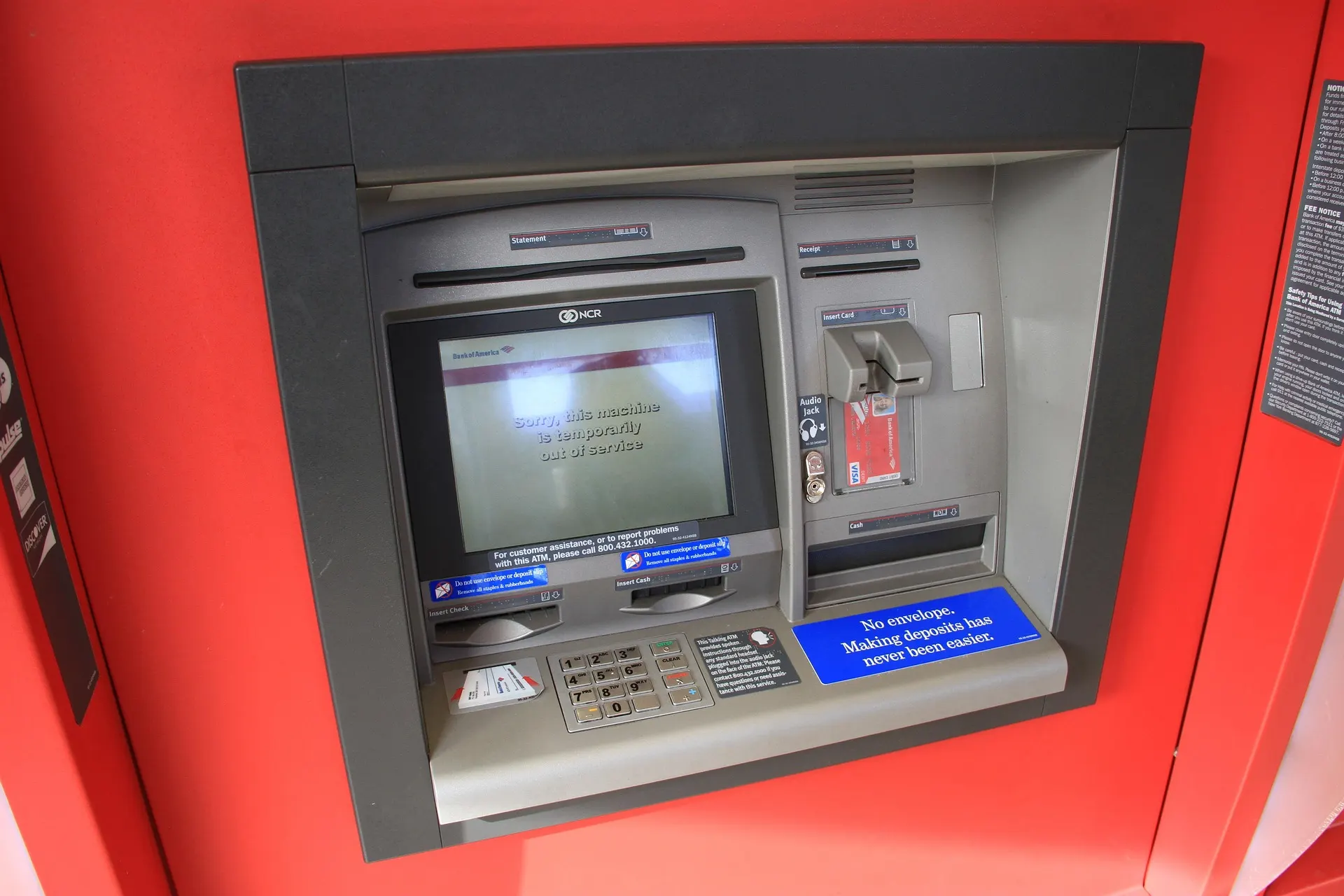
Crypto ATMs in Japan
Where the real machines are and how they work
Read more →
Where to spend crypto in Japan
Real merchants, online options and the tax catch
Read more →
Crypto events in Japan
Conferences and meetups in Tokyo, Kyoto, Fukuoka
Read more →
Crypto in Yokohama & Kanagawa
Local bank rules and accounts for US residents
Read more →
City guides
Pick a city on the map of Japan
Read more →