What exists in Hokkaido, and what doesn't
Let's get the disappointing part out of the way. Of the 27 crypto exchanges registered with Japan's Financial Services Agency, 25 are based in Tokyo and 2 in Osaka. None is registered with the Hokkaido Local Finance Bureau. There is no crypto ATM on the island, and BTC Map, the community map of places that accept bitcoin, shows zero merchants in Hokkaido. If you were hoping to walk into a shop in Susukino and pay in sats, that is not a thing yet.
The good news is that none of this matters much for buying. Every Japanese exchange works entirely through an app, so someone in Sapporo, Asahikawa or Hakodate gets exactly the same service as someone in Shibuya. The things that are genuinely local are your bank's transfer rules, your tax office, and a handful of energy and Web3 projects that make Hokkaido more interesting than its empty merchant map suggests.
Map: svg-maps/japan, CC BY 4.0
- Exchange offices
- None. All 27 are in Tokyo or Osaka
- Crypto ATMs
- None. Nearest verified one: Akihabara, Tokyo
- BTC Map merchants
- 0
- Tax bureau
- Sapporo Regional Taxation Bureau, Odori-nishi 10, Chuo-ku
- Finance bureau
- Hokkaido Local Finance Bureau
- Bank rule to know
- Hokkaido Bank blocks exchange transfers with a mismatched sender name
Is there bitcoin mining in Hokkaido?
There is one concrete, publicly reported project. In June 2025, the Hokkaido Shimbun reported that Agile Energy X, a subsidiary of TEPCO Power Grid (the grid arm of Tokyo Electric Power), would start miningRunning specialised computers that secure the bitcoin network; the winner of each round receives newly issued bitcoin. It uses a lot of electricity. bitcoin in the Toyotomi Onsen area of Toyotomi Town, in Hokkaido's far north. The twist is the power source: natural gas that wells up locally would be burned to generate electricity on site, and the waste heat from the mining machines would go to land-based fish farming and hydroponic vegetables.
According to that report, the company planned to set up equipment and an office and begin operating from April 2026. Here is the honest caveat: at the time of writing we could not find any official statement from Agile Energy X or Toyotomi Town confirming that the site is running. So the accurate description is "announced and planned", not "Hokkaido's bitcoin mine". We will update this page when there is a primary source.
For context, Agile Energy X was set up in 2022 and has been reported to run miners next to solar farms in Tochigi and Gunma, using electricity that would otherwise be curtailed when the grid has too much solar. Utilities using mining as a flexible load is a pattern you also see abroad. The Toyotomi plan applies the same idea to stranded gas rather than surplus sunshine.
Thinking of mining at home in Hokkaido?
Cold air helps with cooling, but household electricity is the real cost, so run the numbers on your power price and the machine's consumption before buying hardware. Tax is the other surprise for newcomers: Japan's National Tax Agency treats mined coins as income at their market value when you receive them, normally as miscellaneous incomeZatsu shotoku (雑所得): the catch-all income category. It is added to your salary and taxed at progressive rates, up to about 55% with resident tax., with deductible costs such as the power used for mining. You then pay tax again on any gain when you sell.
Ishikari and Tomakomai: data centres, but for AI
Search "bitcoin mining Hokkaido" and you will quickly run into stories about data centres. Hokkaido is attracting big computing projects because of its renewable power and cool climate, but the projects with official pages are about cloud and generative AI, not crypto.
Ishikari: on 28 July 2026, Ishikari City announced the Ishikari Data Center Consortium. Press reports list 11 member companies (including planned members) such as Sakura Internet, Kyocera Communication Systems, Broadband Tower, Tokyu Land and NTT East, with University of Tokyo professor Hiroshi Esaki as adviser. The goal is to make Ishikari Japan's third data-centre hub after the Tokyo and Osaka regions.
Tomakomai: SoftBank plans to open its "Brain DataCenter" there in the 2026 fiscal year. SoftBank's own page describes capacity growing beyond 300 MW on a site of about 700,000 square metres, running on 100% Hokkaido renewable energy, aimed at generative AI. The page does not mention crypto at all.
| Project | Where | What it is for | Status |
|---|---|---|---|
| Agile Energy X (TEPCO Power Grid subsidiary) | Toyotomi Town | Bitcoin mining on local natural gas | Planned from April 2026; start not confirmed |
| Ishikari Data Center Consortium | Ishikari City | National data-centre hub | Announced 28 July 2026 |
| SoftBank Brain DataCenter | Tomakomai | Generative AI computing | Opening planned for FY2026 |
So if someone tells you Hokkaido is "Japan's crypto mining capital", ask for the source. What the public record shows is one announced mining site and a lot of AI investment.
How to buy crypto if you live in Sapporo
If you are a resident with a residence card (zairyu card) and an address registered at your ward office, you can use the same exchanges as anyone in Tokyo. Most of them have Japanese-only apps, so budget a little time for the sign-up screens. The process looks like this:
Pick an FSA-registered exchange
Check the registration number on our list of FSA-registered exchanges and compare costs on the fee comparison. Offshore platforms that are not registered are not allowed to serve Japan residents.
Verify your identity in the app
Japanese exchanges use eKYCElectronic know-your-customer: you photograph or scan your ID and your face in the app instead of mailing documents.. A My Number card read by NFC is quickest; a residence card also works at most exchanges. You will need a Japanese phone number.
Declare your tax residence
Since 1 January 2026 exchanges ask every customer to self-certify their tax residence under CARFThe OECD Crypto-Asset Reporting Framework. Exchanges collect your tax residence and foreign tax ID so data can be shared between tax authorities., including any foreign tax ID number. Have it ready.
Send yen from your own bank account
GMO Coin, for example, offers free instant deposits from Japan Post Bank, PayPay Bank and docomo SMTB Net Bank. Regional banks like Hokkaido Bank and North Pacific Bank are not on that list, so you would use a normal bank transfer.
Buy, then keep your records
The in-app dealer desk (販売所, hanbaijo)Hanbaijo (販売所): the exchange sells to you directly at a quoted price. Easy, but the buy-sell spread is the real cost. is simplest for small first purchases; the order book is cheaper for bigger amounts. Download your annual trade report every year for tax.
Our step-by-step guide to buying bitcoin in Japan walks through the screens, and crypto for foreigners in Japan covers visa types, My Number and US-person questions in more depth.
Hokkaido Bank and the name-match rule
This one catches people out. On 6 February 2024 Japan's National Police Agency, working with the FSA, asked bank associations nationwide to refuse transfers to crypto exchanges when the sender name typed on the transfer differs from the name on the sending account. Investment scammers had been routing victims' money into exchange accounts under other people's names.
Hokkaido Bank applies this rule to transfers to crypto exchanges, and its official notice extended it to funds-transfer providers from 18 May 2026. Japan Post Bank has also warned that accounts can be restricted after a suspicious transfer to an exchange. In practice:
- Only send from an account in your own name. Your partner's account will be refused.
- Adding the numeric customer code the exchange asks for, before or after your name, is fine.
- Don't swap your name for a nickname or a romanised version.
- If your bank account name and your exchange name are spelled differently (middle names, katakana vs. alphabet), ask the exchange before sending.
- Anyone on social media asking you to "deposit to this account" is a red flag. See our crypto scams guide.
We could not find an official notice from North Pacific Bank (Hokuyo) or local shinkin banks, but the police request went to all the bank associations, so expect the same logic everywhere.
Visiting for ski season: what actually works
Niseko, Furano and Sapporo fill up with international visitors every winter, and "can I pay with crypto?" is a fair question. The short answer is: not directly. Japanese exchanges will not accept you without Japanese residency, there is no crypto ATM in Hokkaido to sell coins for cash, and BTC Map lists no merchants on the island.
Three things do work. First, a crypto-linked Visa or Mastercard debit card issued in your home country can be used wherever Visa or Mastercard is accepted. Second, since 30 September 2026, people who use Binance Pay abroad can scan PayPay QR codes at participating PayPay merchants across Japan through a cross-border QR scheme, with the shop receiving yen. That feature is only for overseas users; Japan residents and Binance Japan customers are excluded. Third, you can simply convert at home before you fly and use a normal card.
Remember that spending crypto through a card is usually a sale of crypto in tax terms, so your home country may tax it. Our pages on spending crypto in Japan and crypto cards go into detail, and the crypto ATM guide explains the machines in Tokyo and Osaka if your trip passes through.
Hokkaido towns that tried NFTs early
Where Hokkaido genuinely led was municipal NFTsNon-fungible token: a unique digital item recorded on a blockchain, used for art, memberships or certificates., tied to furusato nozei, Japan's "hometown tax" donation scheme where donors receive gifts from the town they support.
- Nov 2020Alyawmu founded in Sapporo A Sapporo company building NFT products for regional revitalisation, including hometown-tax and tourism NFTs.
- 22 Apr 2022Kamishihoro Town offered drone-show video NFTs as hometown-tax gifts, reported at the time as a national first.
- 7 May 2022Yoichi Town offered 54 wine-themed NFT artworks by illustrator Poki on PolygonA low-fee blockchain compatible with Ethereum, popular for issuing NFTs., for donations from ¥120,000, announced with Alyawmu and Trust Bank.
- 21 May 2024Hokkaido Bank-backed fund invests about ¥10 million in Alyawmu via the Hokkaido Growth No. 1 Fund.
- 17 Nov 2025TOKKEN launched Alyawmu's rights platform for municipalities, with Mukawa Town among the first partners.
Sources disagree on whether Kamishihoro or Yoichi was first, so "among the first in Japan" is the fair way to put it. Either way, a regional bank's fund backing a Sapporo NFT start-up is a nice example of local finance taking Web3 seriously. Our Web3 and NFT guide puts these next to Japan's other "digital resident" projects.
Tax: the Sapporo Regional Taxation Bureau and filing
You file with the tax office (zeimusho) for your home address, and most people now do it online through e-Tax. Every tax office in Hokkaido falls under the Sapporo Regional Taxation Bureau, at Odori-nishi 10-chome in Chuo-ku (Sapporo No. 2 Joint Government Building, tel. 011-231-5011). The NTA website has a postcode lookup if you are not sure which office is yours.
The rules are national. Crypto gains are generally miscellaneous income, added to your salary and taxed at 5–45% national income tax plus 10% resident tax, so up to about 55% at the top. Selling for yen, swapping one coin for another and paying for things with crypto are all taxable events. If you are salaried with one employer and your other income is ¥200,000 or less, you don't need to file a national return for it, but resident tax still needs a declaration. A law promulgated on 31 March 2026 will move qualifying crypto to a flat 20.315% with a three-year loss carryforward, starting the January after the new securities-law rules take effect, so 2028 at the earliest. See our Japan crypto tax guide and the 20% tax reform explainer.
Foreign nationals who have lived in Japan for five years or less out of the last ten are usually non-permanent residents for tax, which changes how foreign income is treated. How that applies to coins you hold abroad is a question for a licensed tax accountant (zeirishi); our guide to moving to or leaving Japan with crypto lays out the basics.
Meetups and events near Sapporo
We could not find a regular crypto meetup in Sapporo. A Meetup.com group called the Sapporo crypto and blockchain meetup exists but had no upcoming events when we checked, and Luma shows a past Cardano study session held at a TKP venue near Odori. Neither Sapporo City nor Hokkaido Prefecture runs a Web3-specific programme that we could find.
For the big gatherings you will need to fly to Tokyo: WebX takes place in Minato each summer, and BITCOIN JAPAN 2026 runs on 27–28 November 2026 at Belsalle Akihabara. Our crypto events calendar and the Tokyo guide have dates, venues and the Tokyo community spaces.
Crypto in Sapporo and Hokkaido: FAQ
Is there bitcoin mining in Hokkaido?
One project has been announced. Agile Energy X, a subsidiary of TEPCO Power Grid, said in June 2025 it would mine bitcoin in Toyotomi Town using electricity generated from local natural gas, with operations planned from April 2026. We could not find an official confirmation that it has started.
Are there any bitcoin ATMs in Sapporo?
No. We found no crypto ATM anywhere in Hokkaido. The only verified machines in Japan are in Tokyo (Akihabara) and Osaka, run by a Japanese registered exchange.
Can I buy crypto in Sapporo as a foreign resident?
Yes, if you hold a residence card and have a registered address in Japan. Open an account with an FSA-registered exchange, verify your identity on your phone, and fund it from a Japanese bank account in your own name.
Can ski tourists in Niseko or Sapporo pay with crypto?
Rarely. BTC Map lists no merchants in Hokkaido. Visitors who use Binance Pay abroad can scan PayPay QR codes at participating shops, and crypto-linked Visa or Mastercard cards from your home country work wherever cards are accepted.
Where do I file my crypto taxes if I live in Hokkaido?
At the tax office for your home address, usually online through e-Tax. All tax offices in Hokkaido sit under the Sapporo Regional Taxation Bureau. Gains are normally miscellaneous income taxed at up to 55% including resident tax.
Why did Hokkaido Bank block my transfer to an exchange?
Banks refuse transfers to crypto exchanges when the sender name differs from the account holder name, following a 2024 police and FSA request. Send only from an account in your own name; adding the customer number the exchange gives you is fine.
Sources
- FSA: Register of crypto-asset exchange service providers (JA)
- Hokkaido Shimbun: TEPCO subsidiary to mine crypto with natural gas in Toyotomi (27 Jun 2025, JA)
- SoftBank: Hokkaido Tomakomai AI data centre (JA)
- Yoichi Town press release on NFT hometown-tax gifts (28 Apr 2022, JA)
- Hokkaido Bank: restrictions on transfers to crypto exchanges and funds-transfer providers (JA)
- National Police Agency: request to banks on transfers to crypto exchanges (6 Feb 2024, JA)
- Immigration Services Agency: foreign residents at end of 2025 (JA)
- National Tax Agency: crypto-asset tax FAQ (JA)
Keep reading
Crypto for foreigners in Japan
Visas, residence cards, US persons and tourists
Read more →
Crypto in Tokyo
Exchange HQs, the Akihabara ATM, BTC-friendly venues
Read more →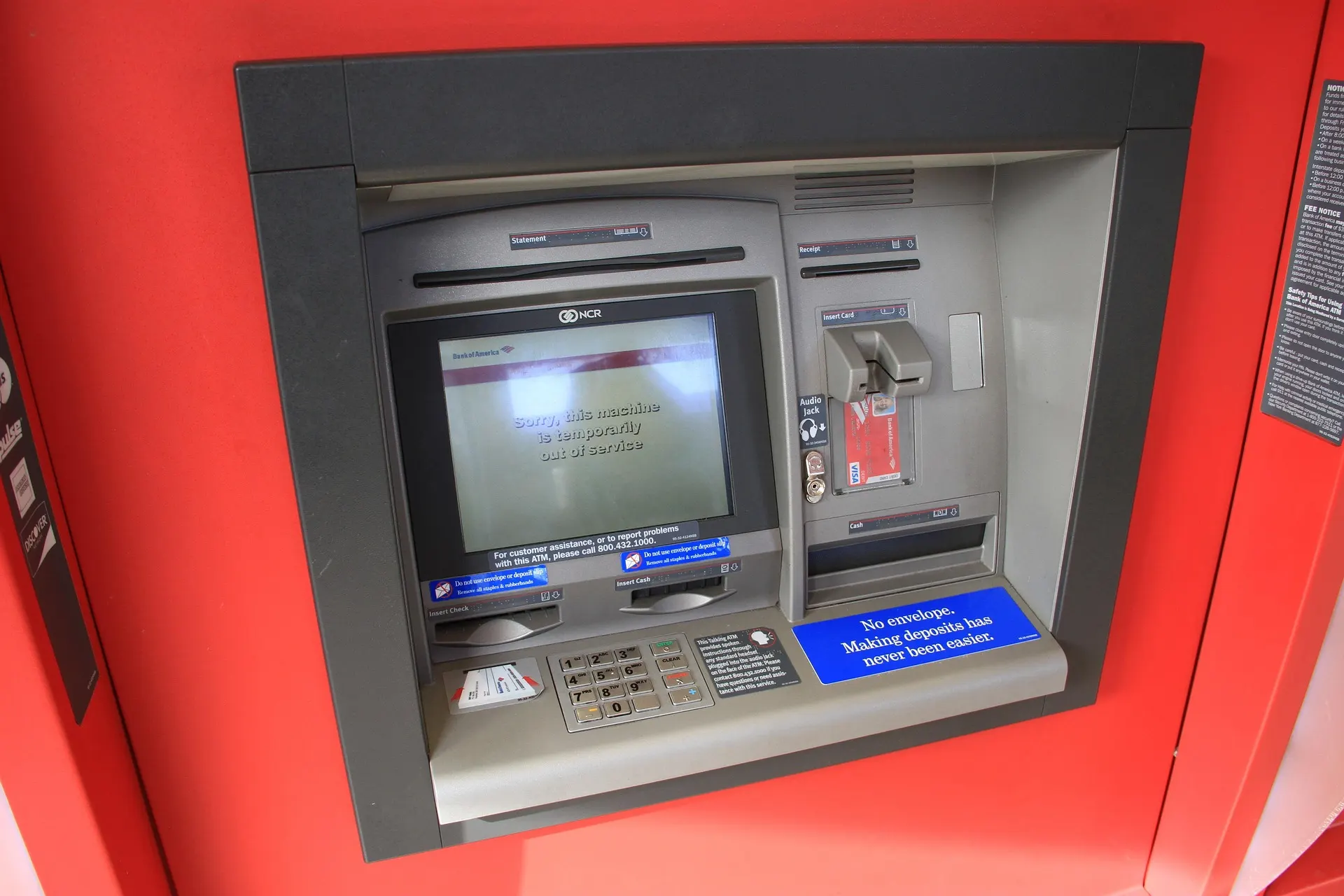
Crypto ATMs in Japan
Where the real machines are and how they work
Read more →
Where to spend crypto in Japan
Real merchants, online options and the tax catch
Read more →
Japan crypto tax guide
How miscellaneous income tax works, with yen examples
Read more →
Moving to or leaving Japan with crypto
Residency status, exit tax and closing accounts
Read more →